Recovering Urban Memory: Beijing
Chicago Studio Award (First Place), 2019
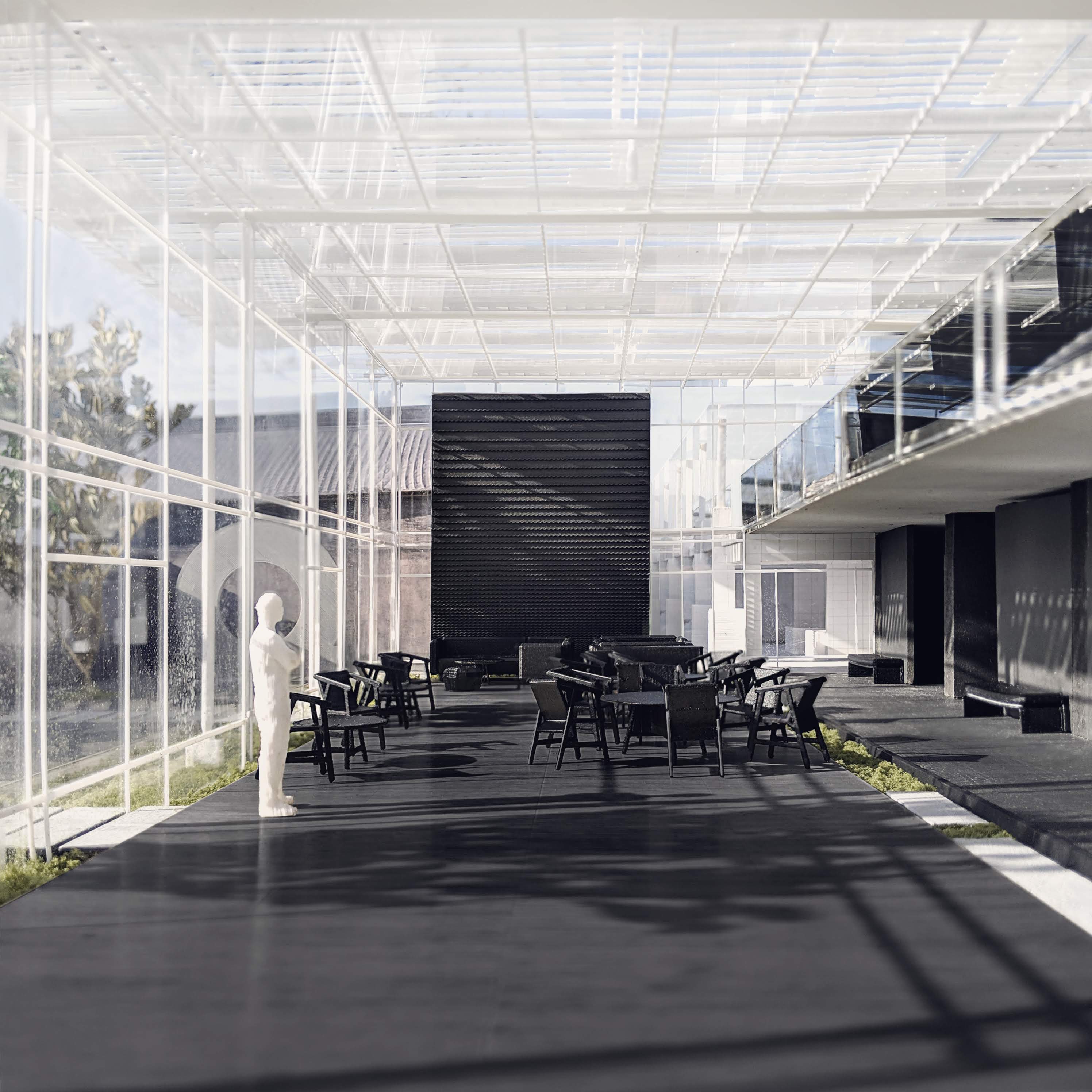
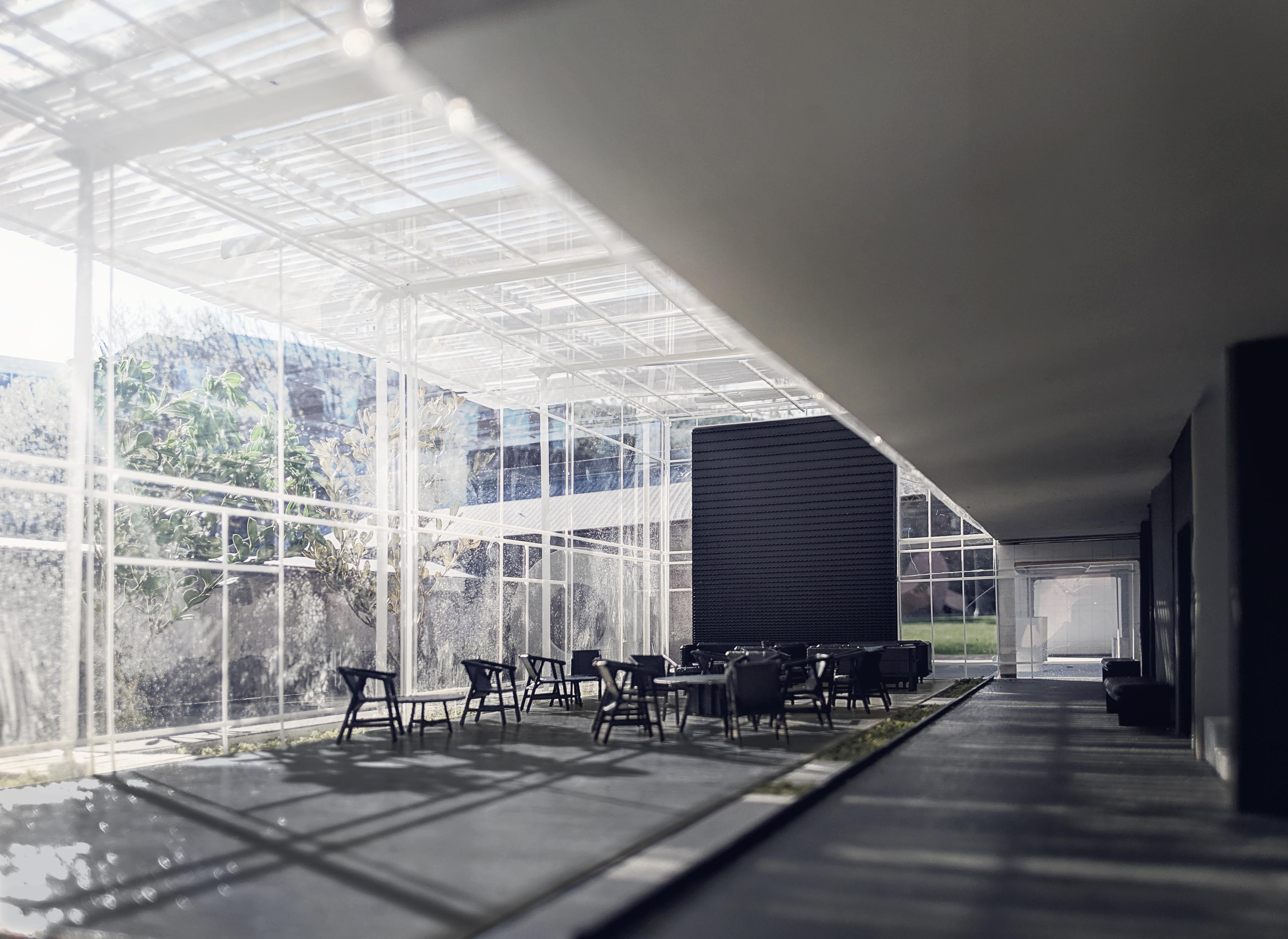
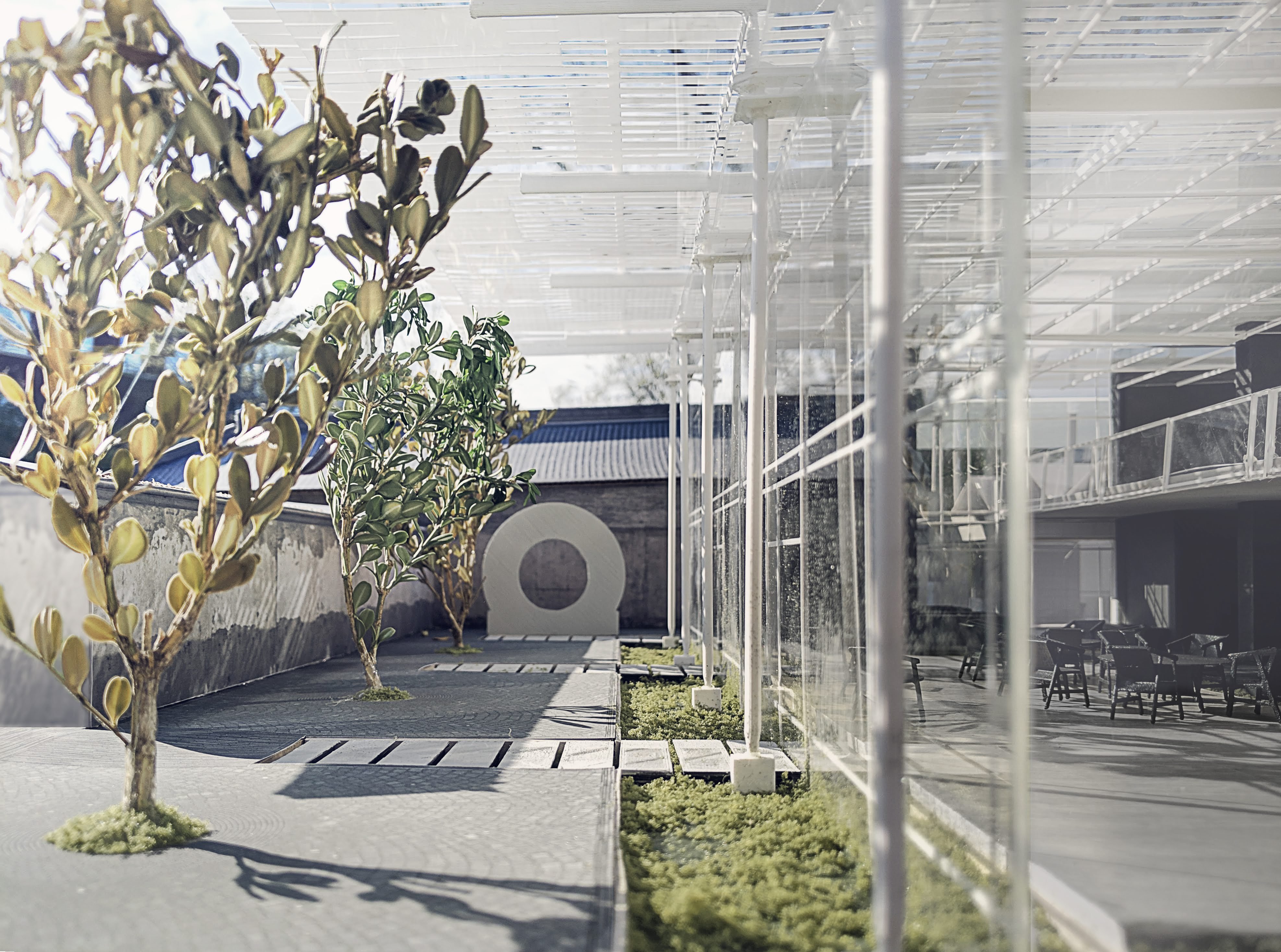
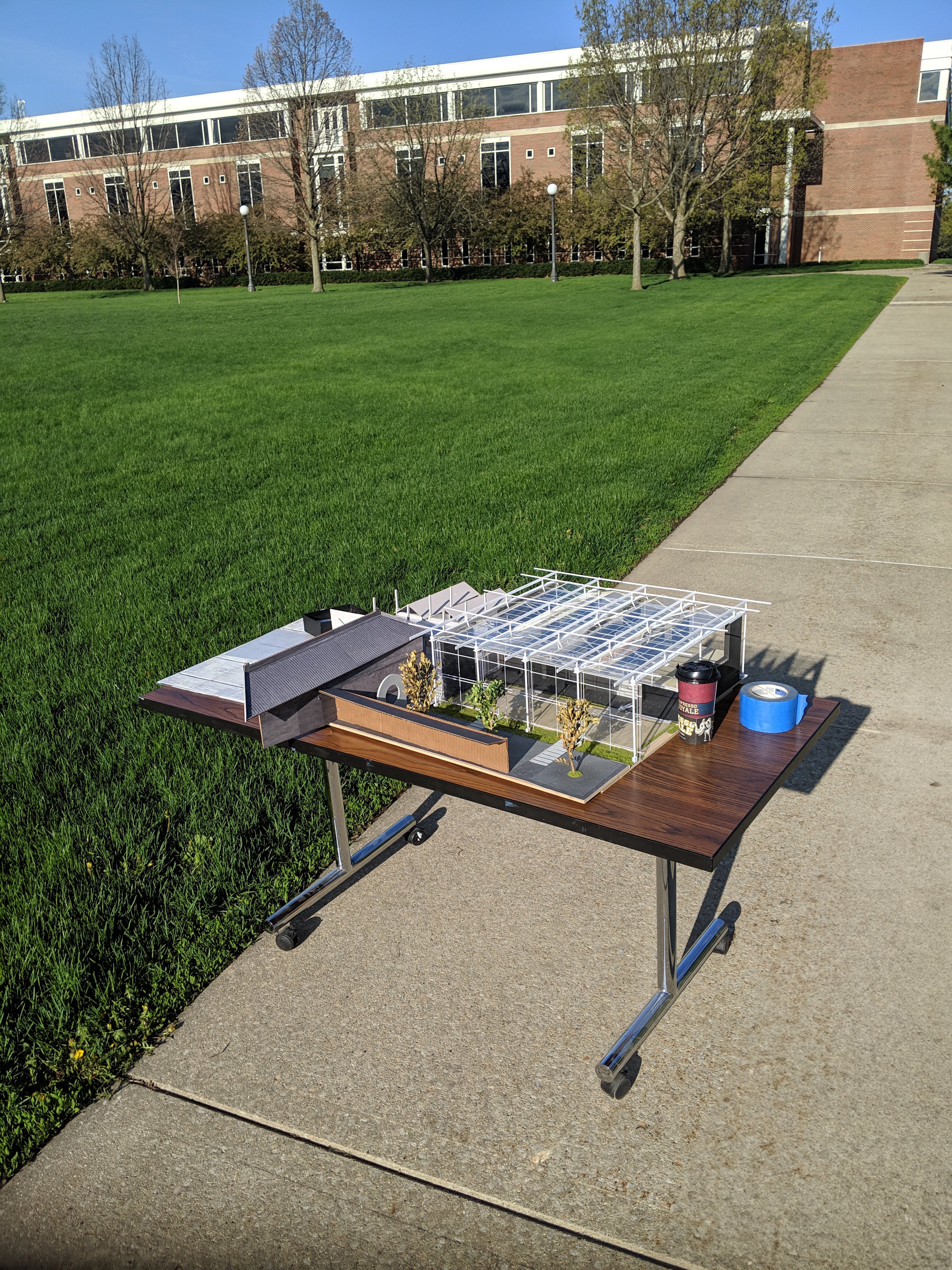
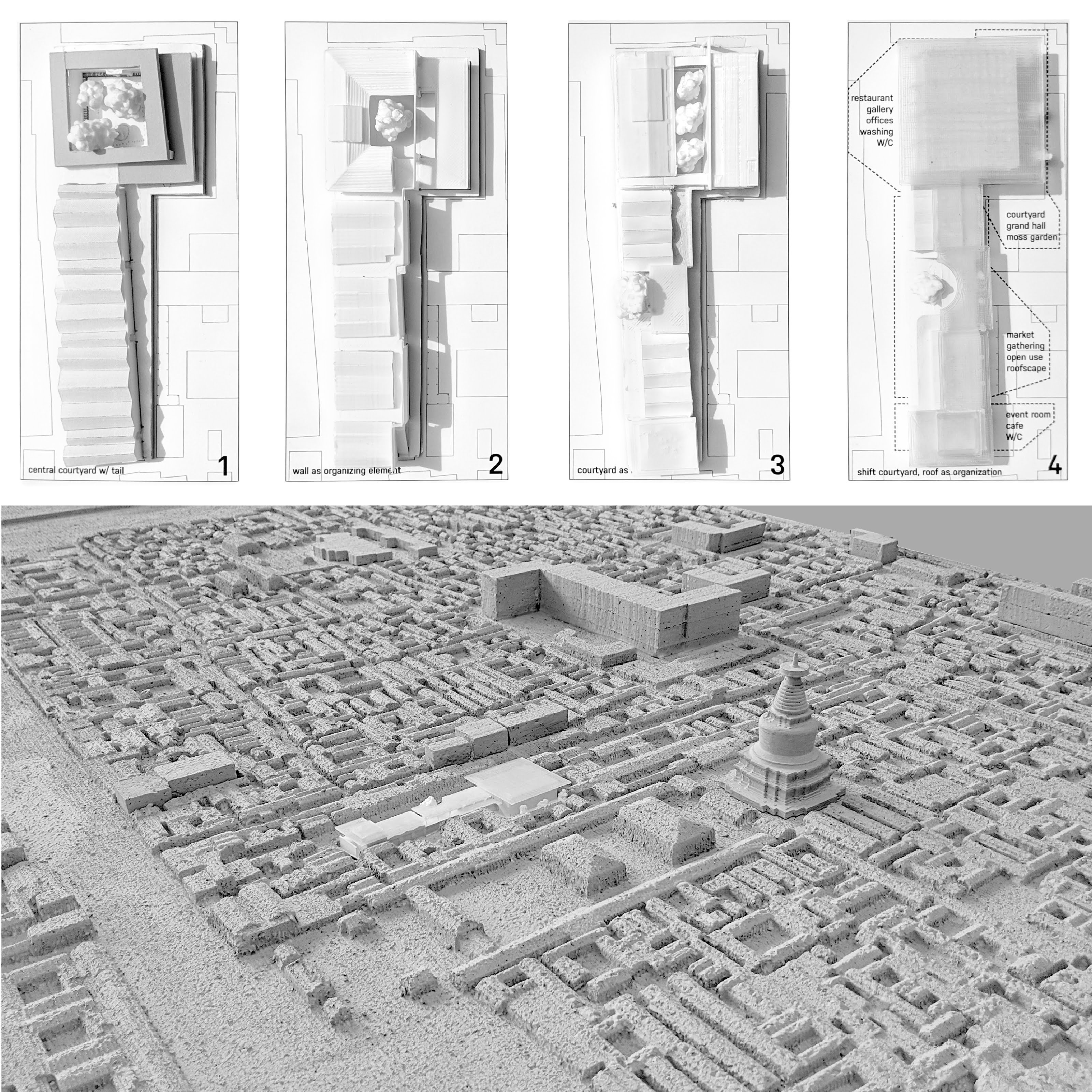
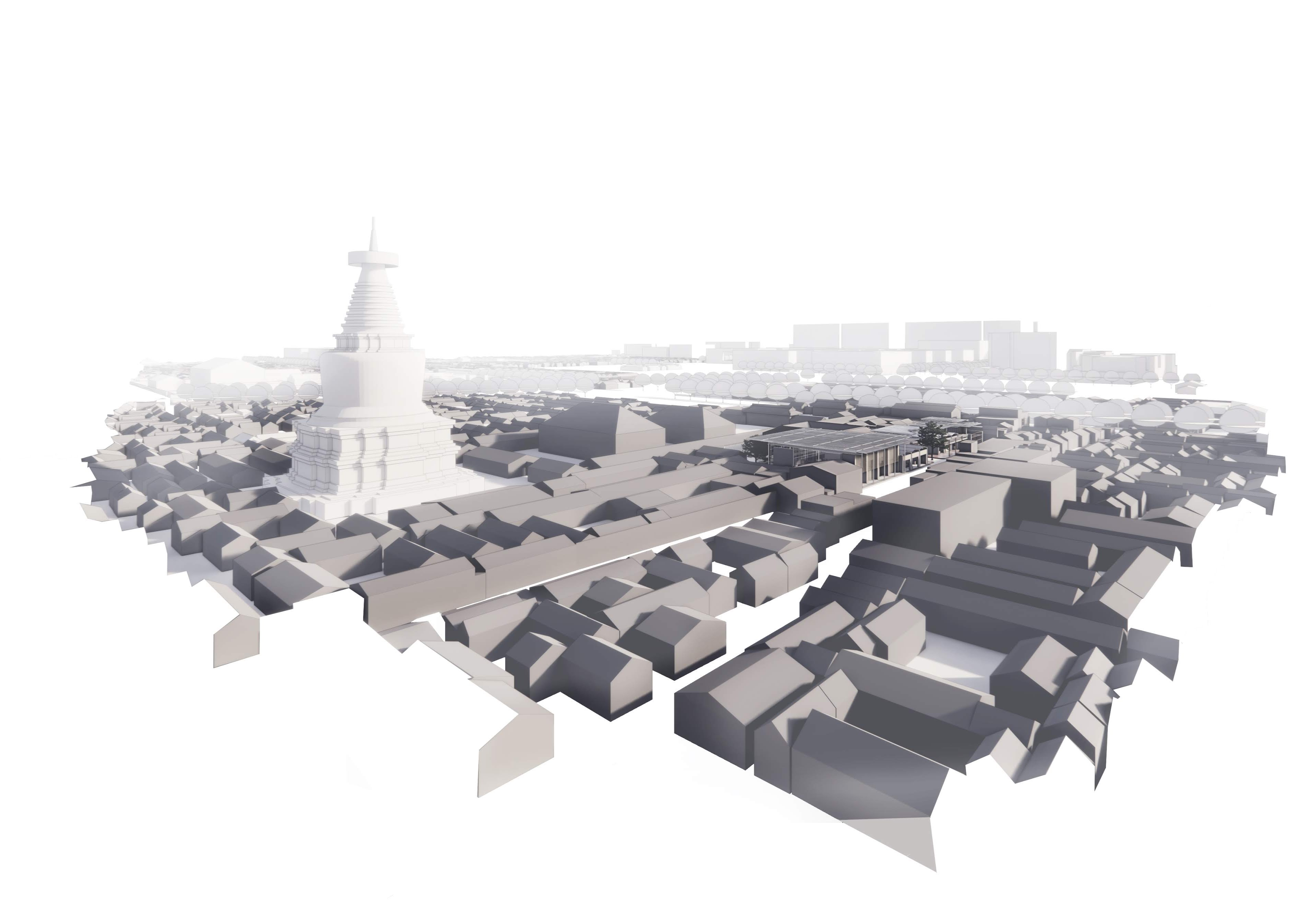
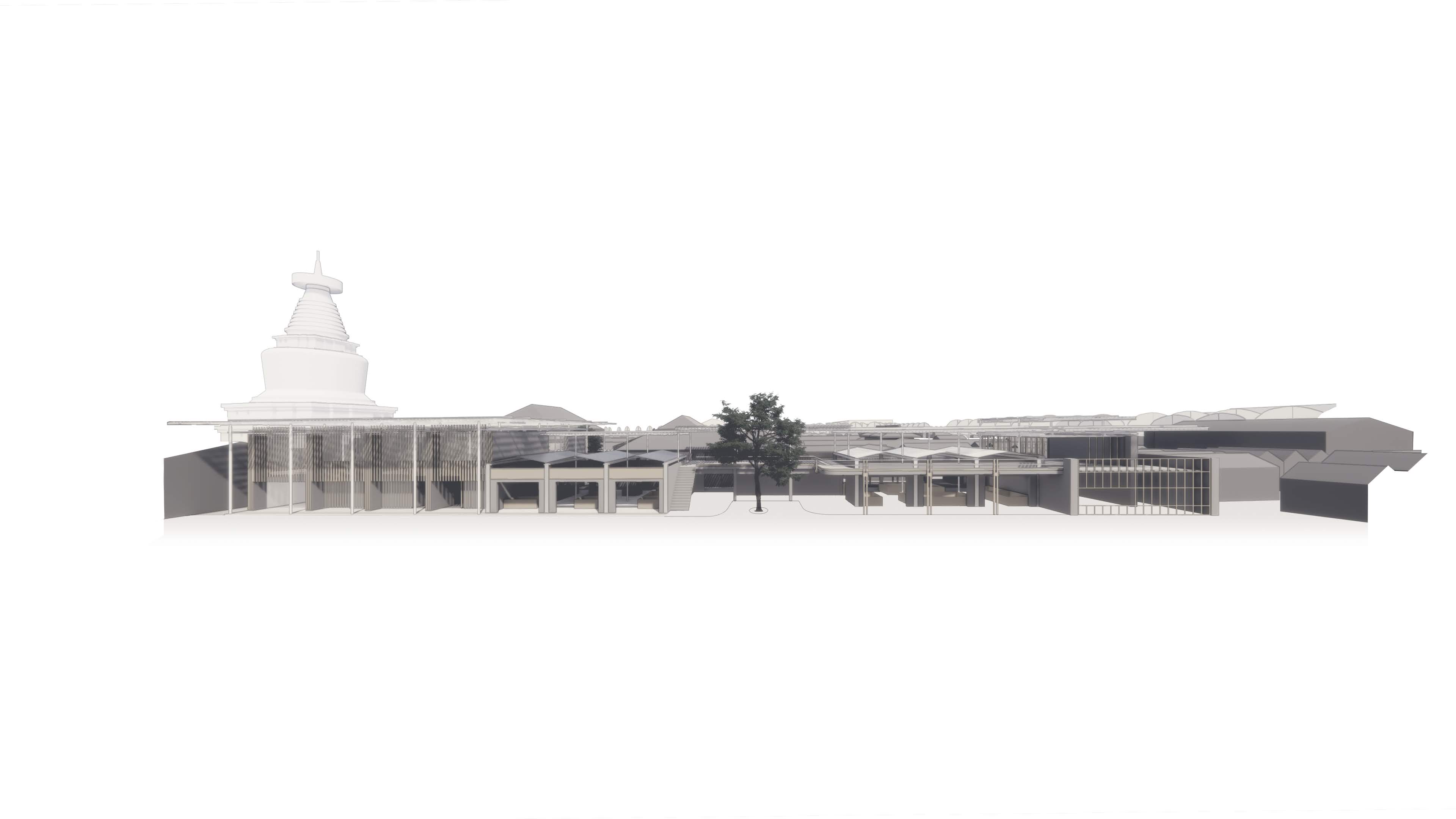
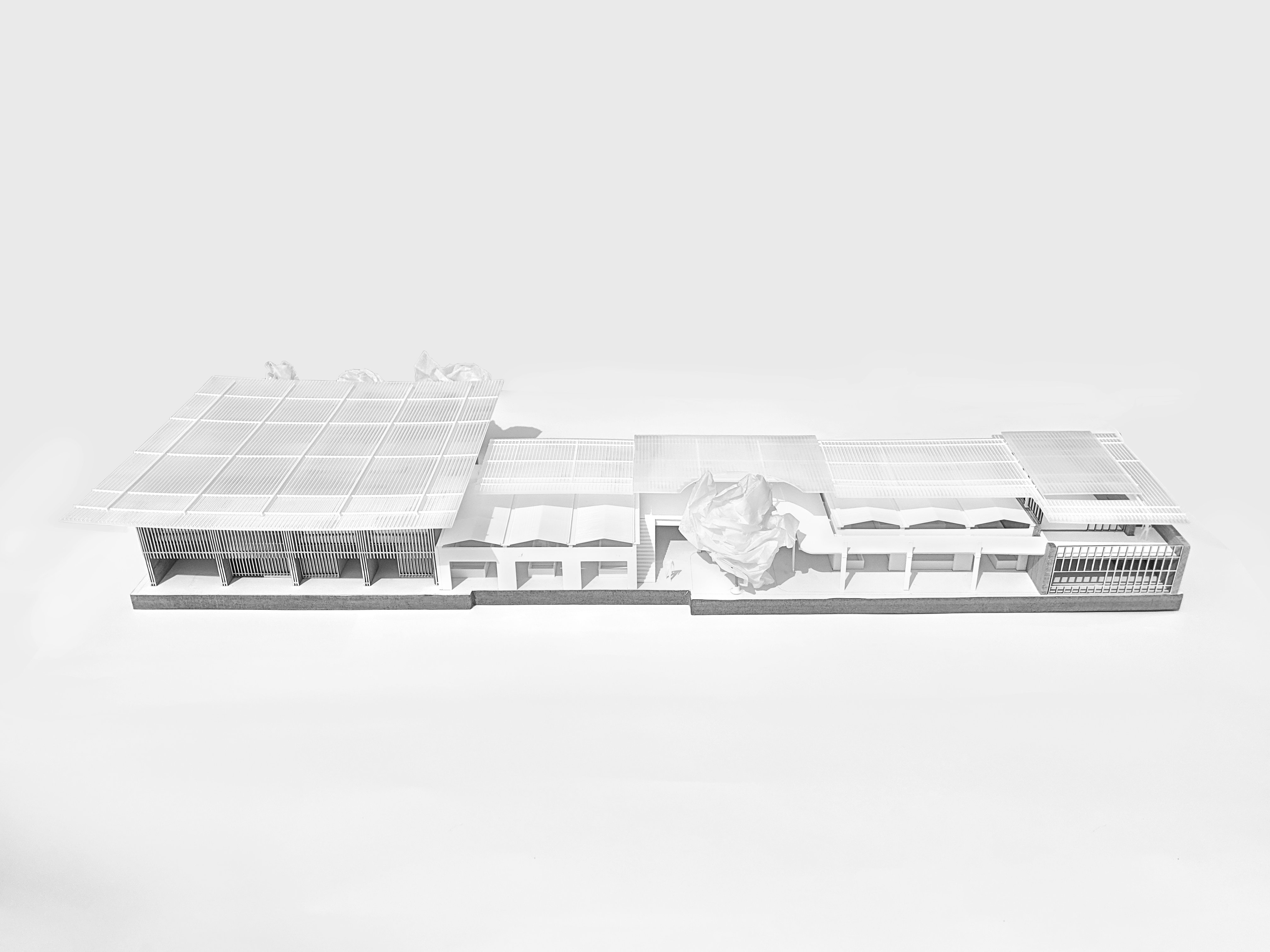
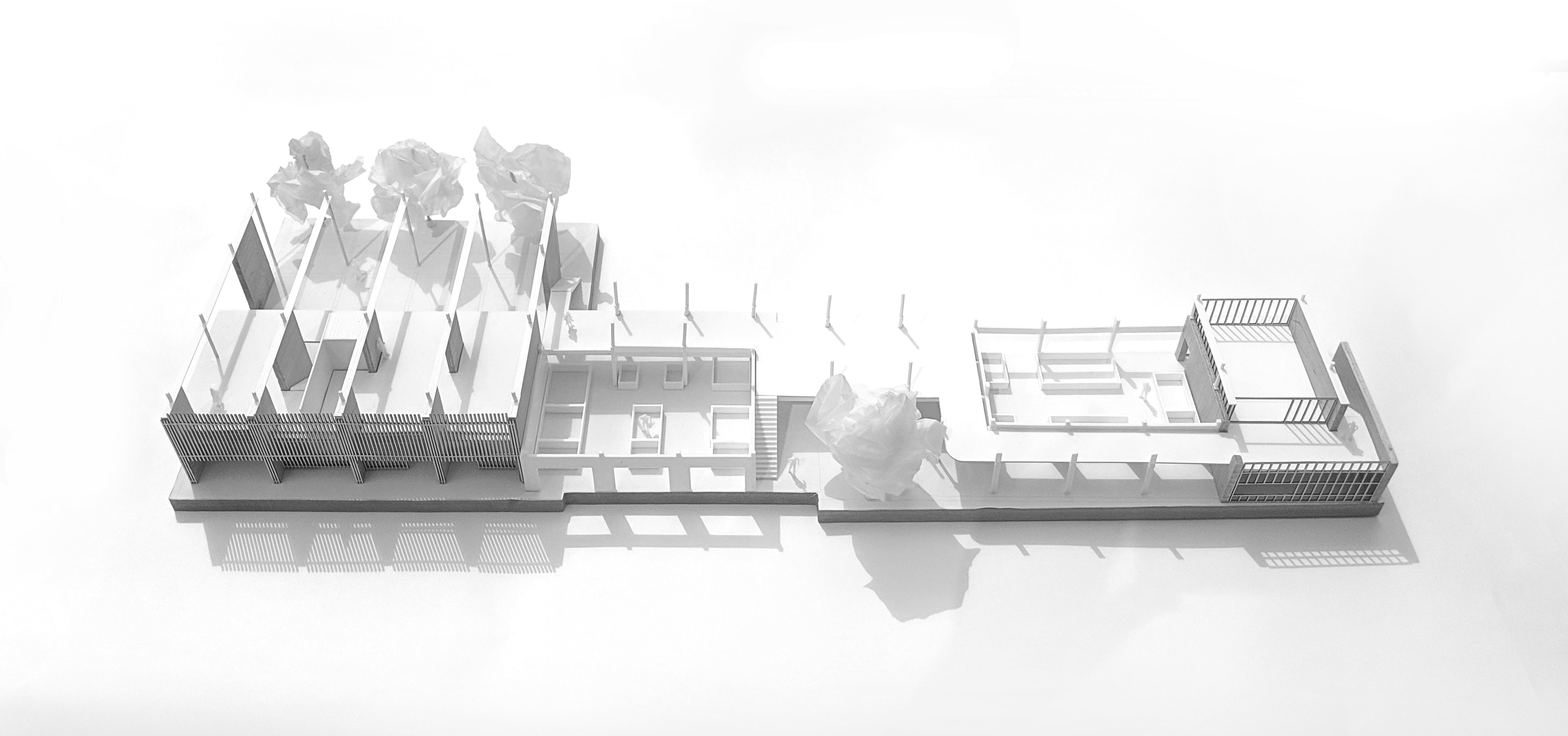
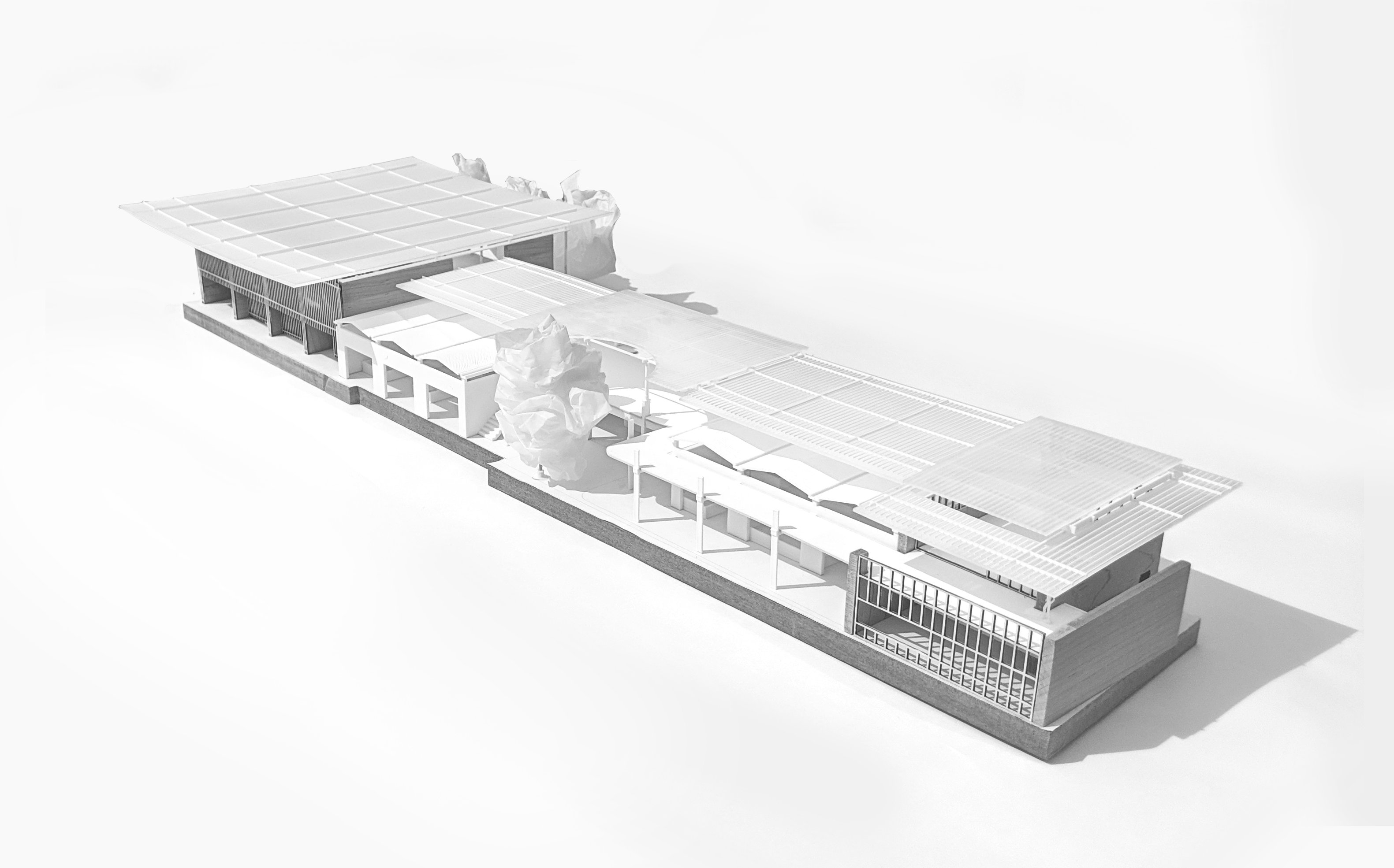
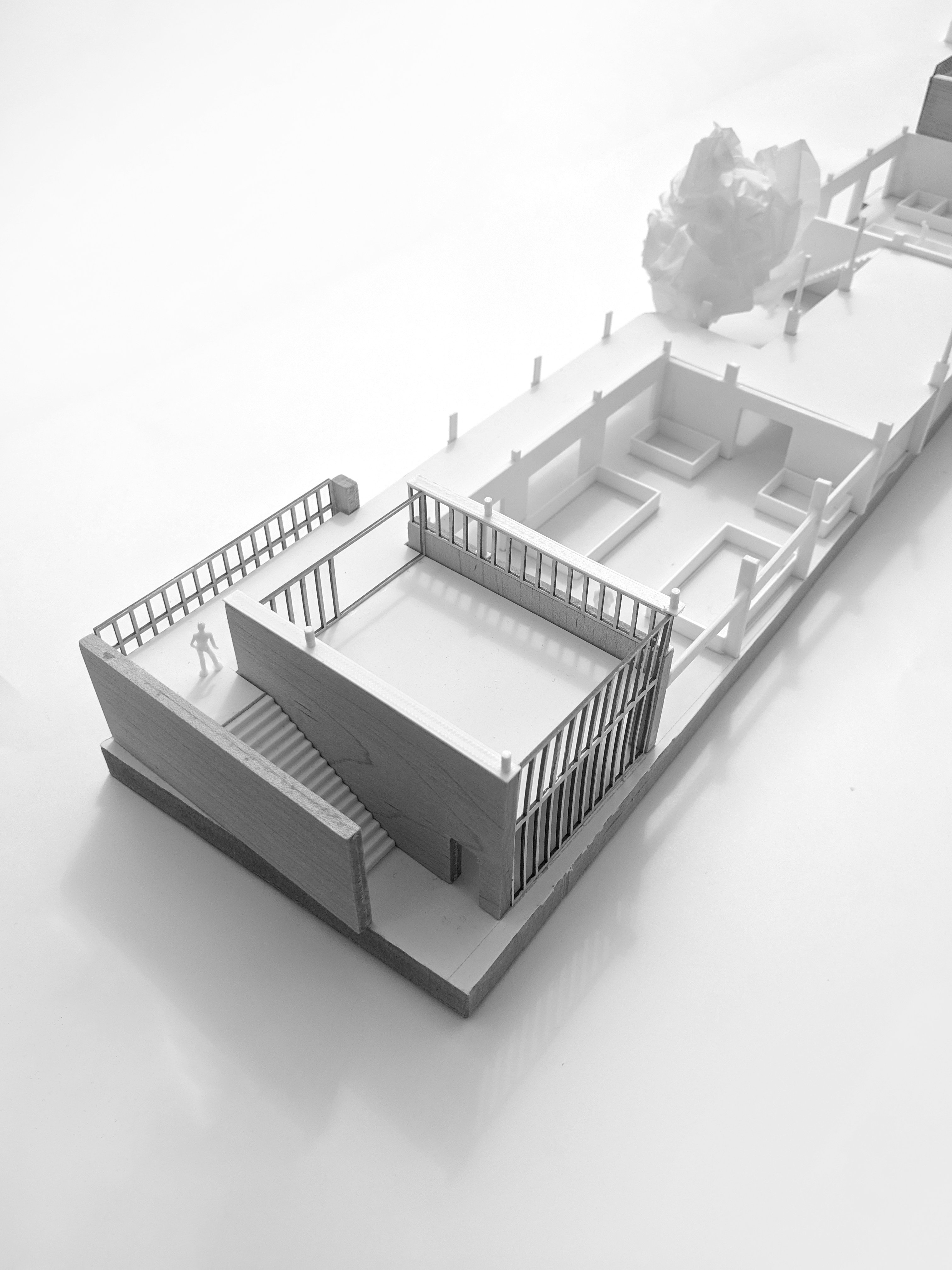
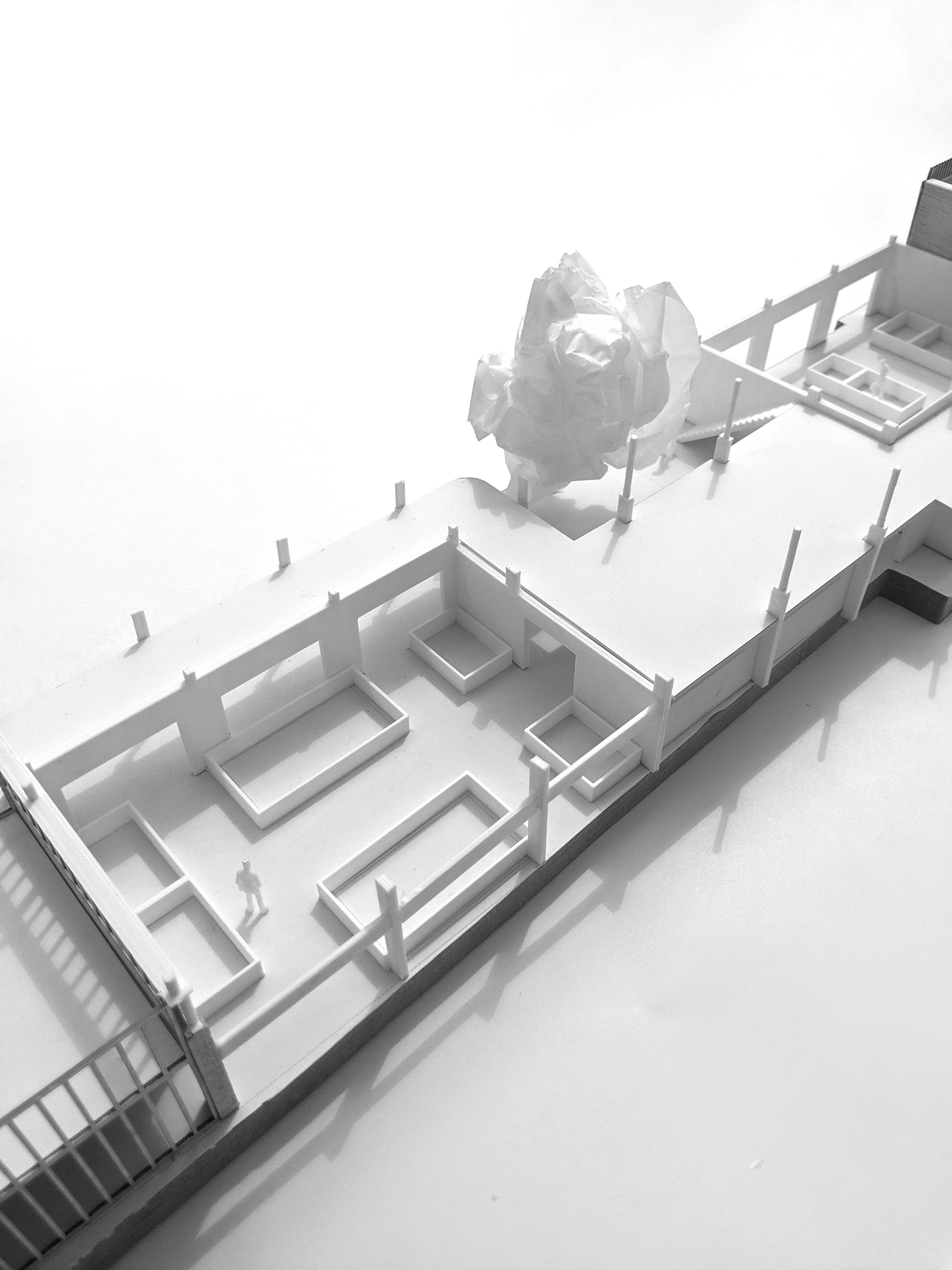
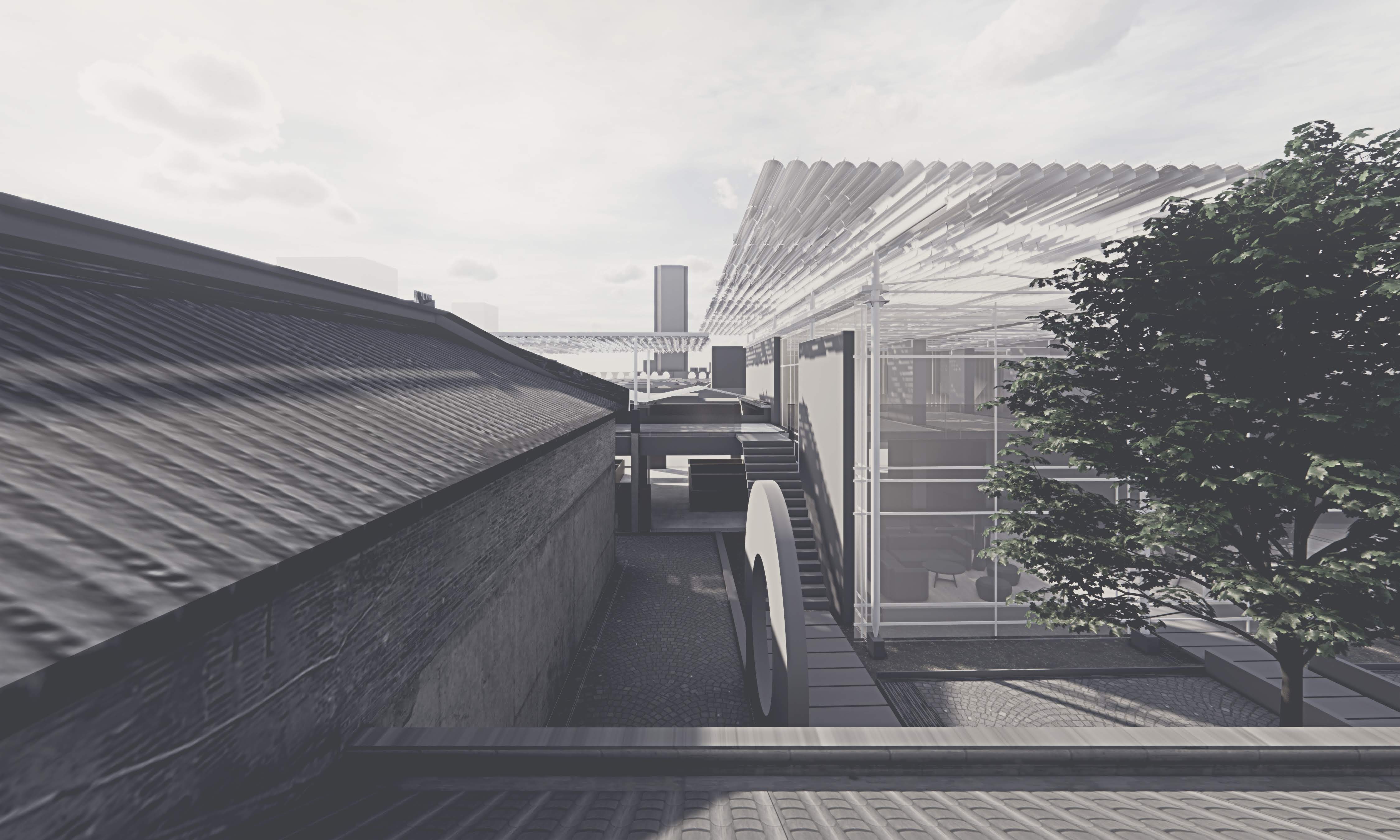
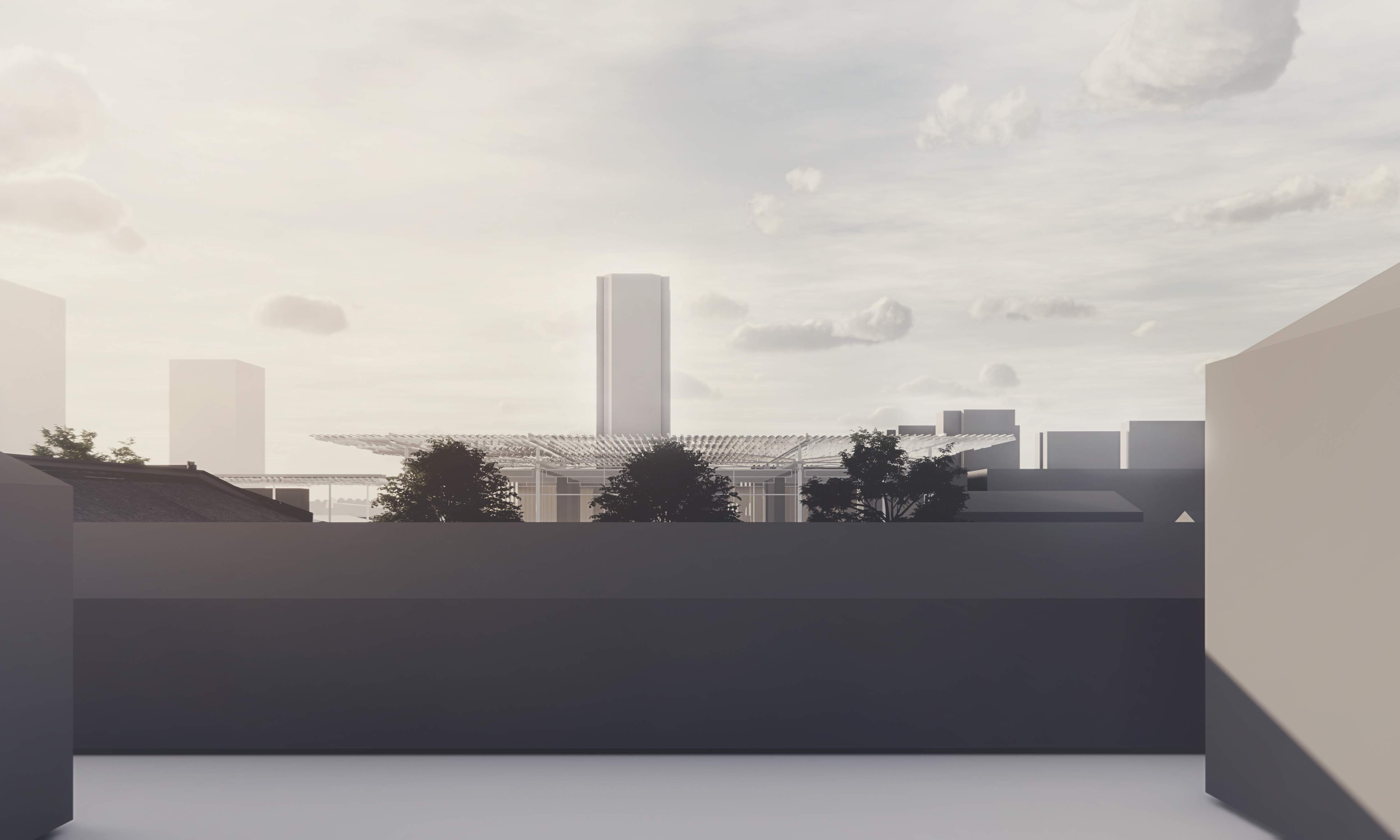
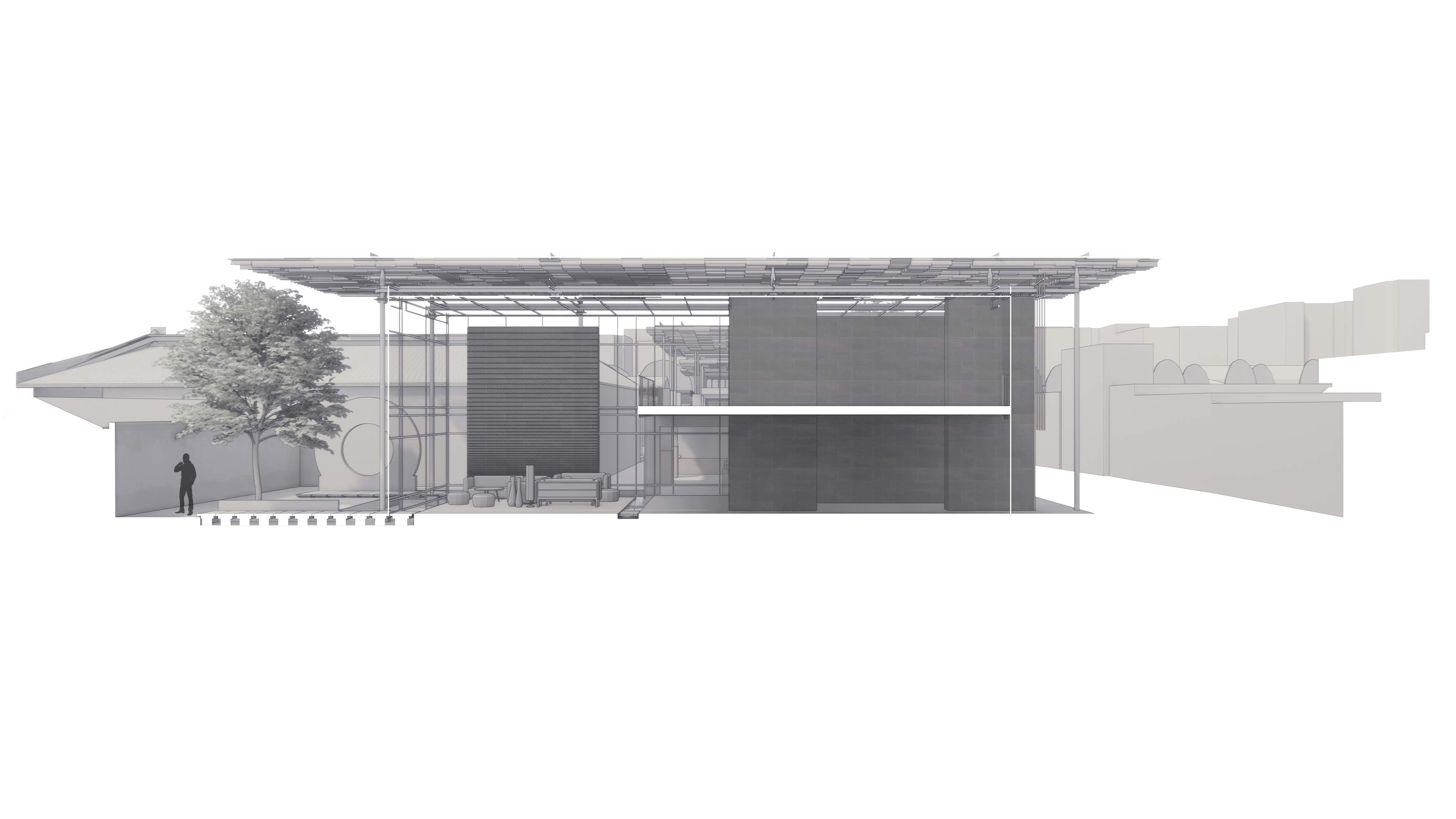
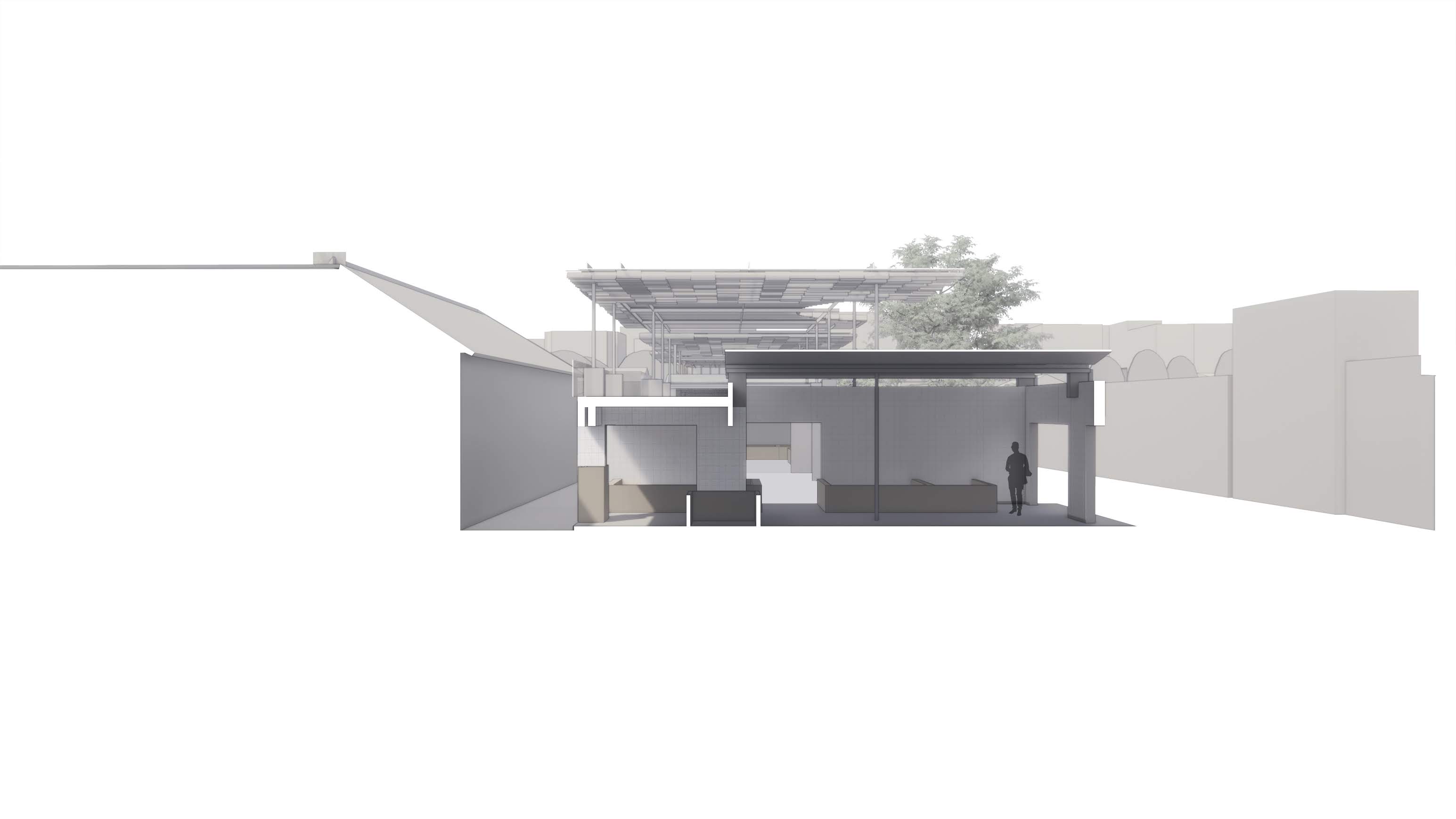
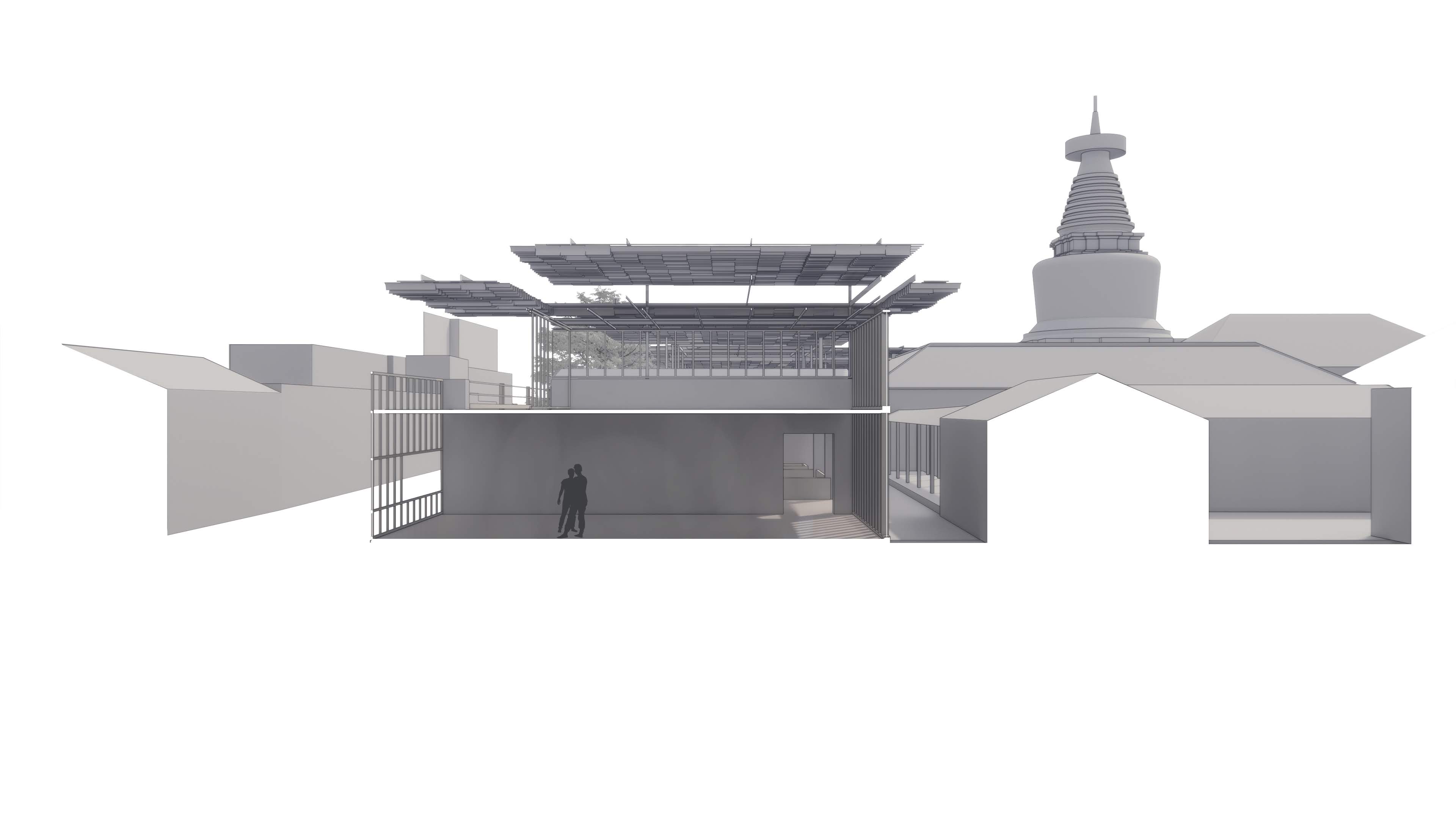
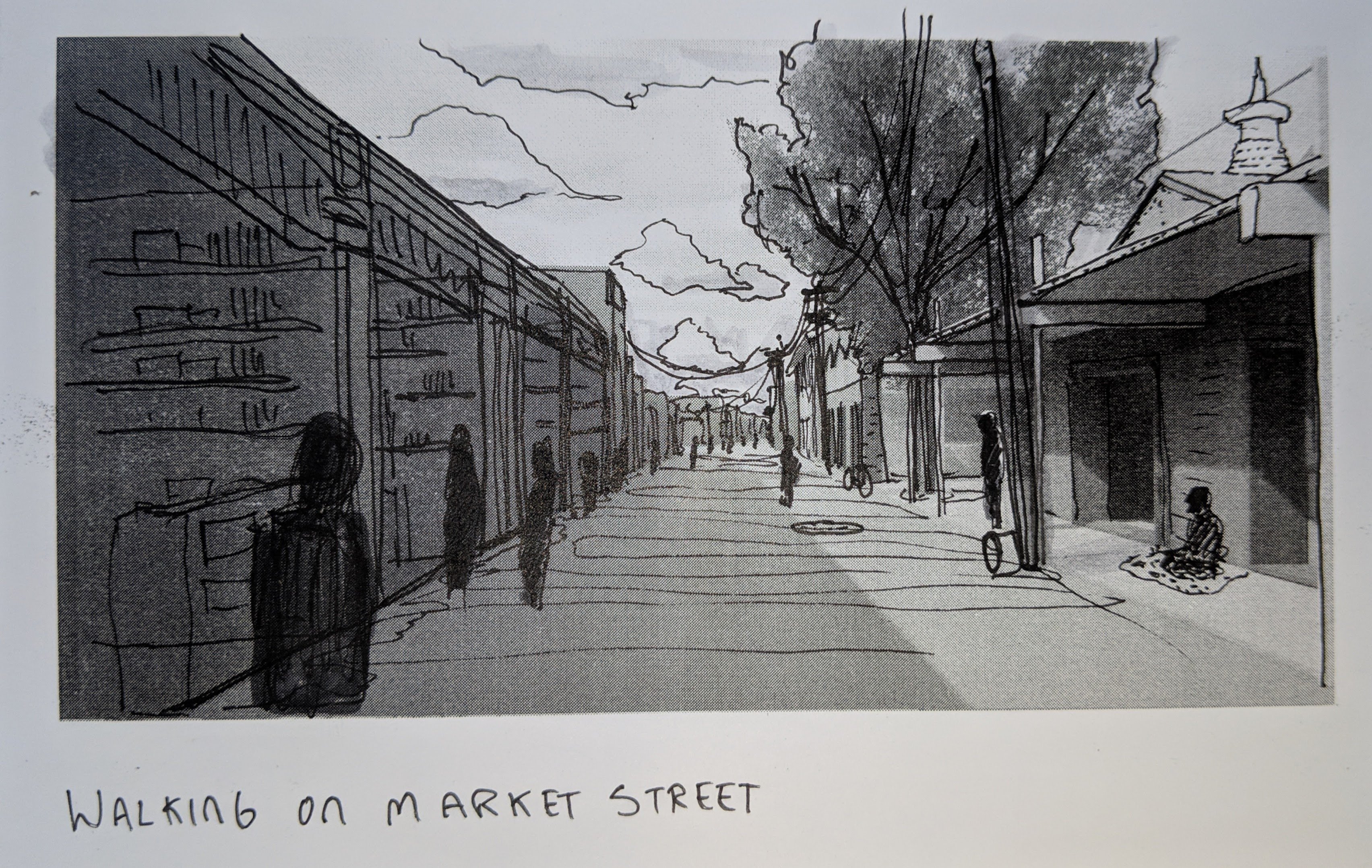
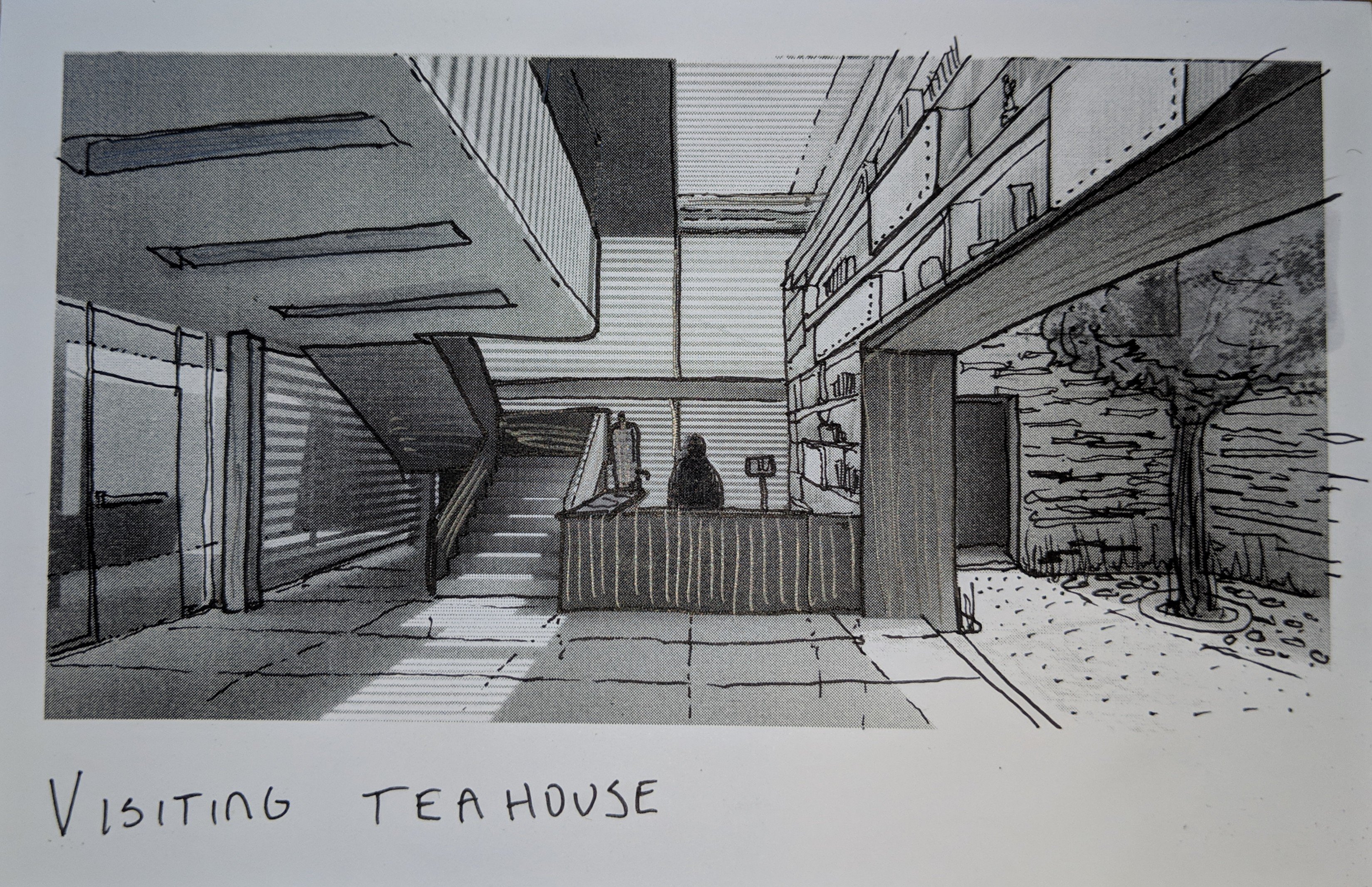
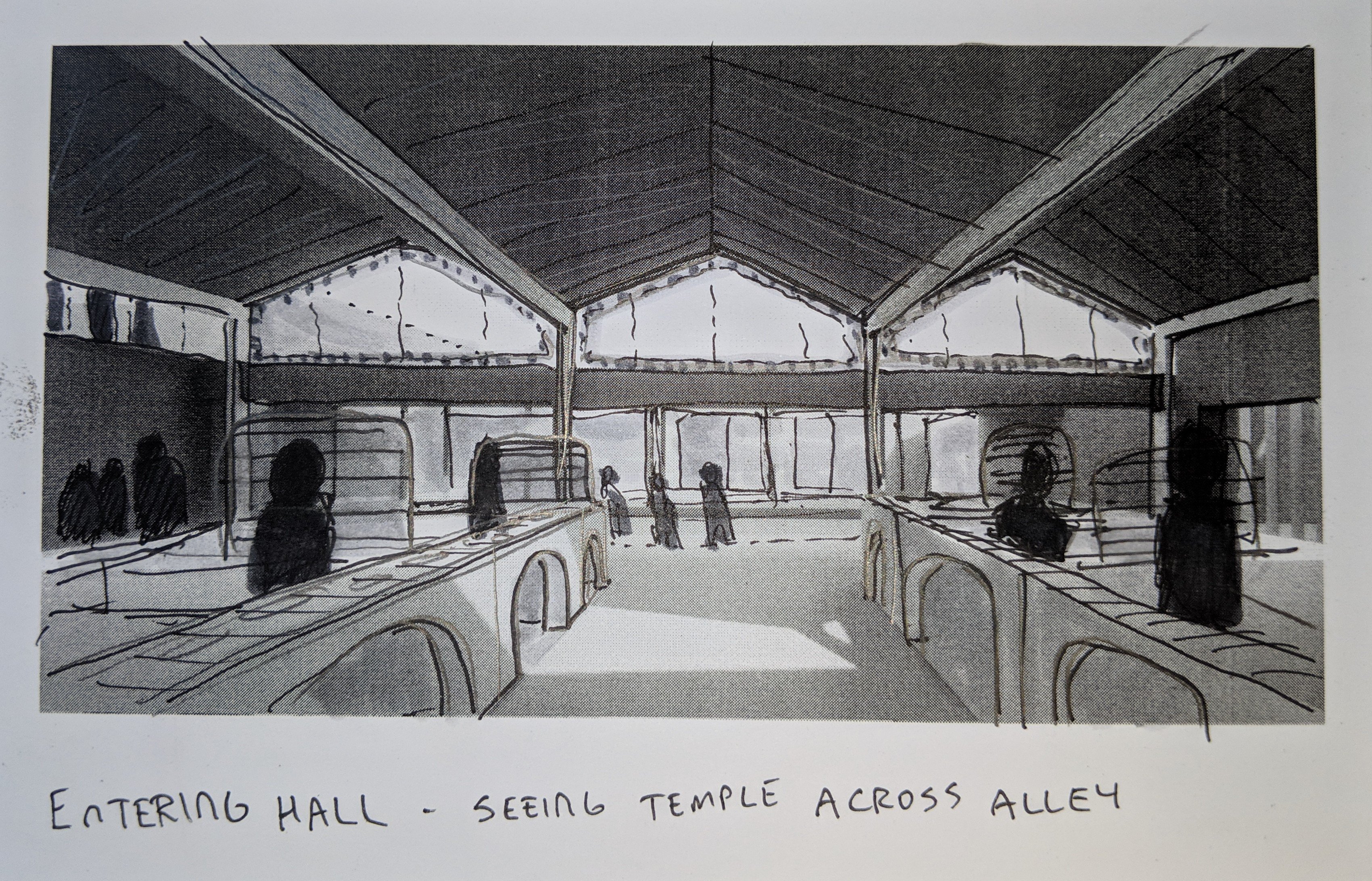
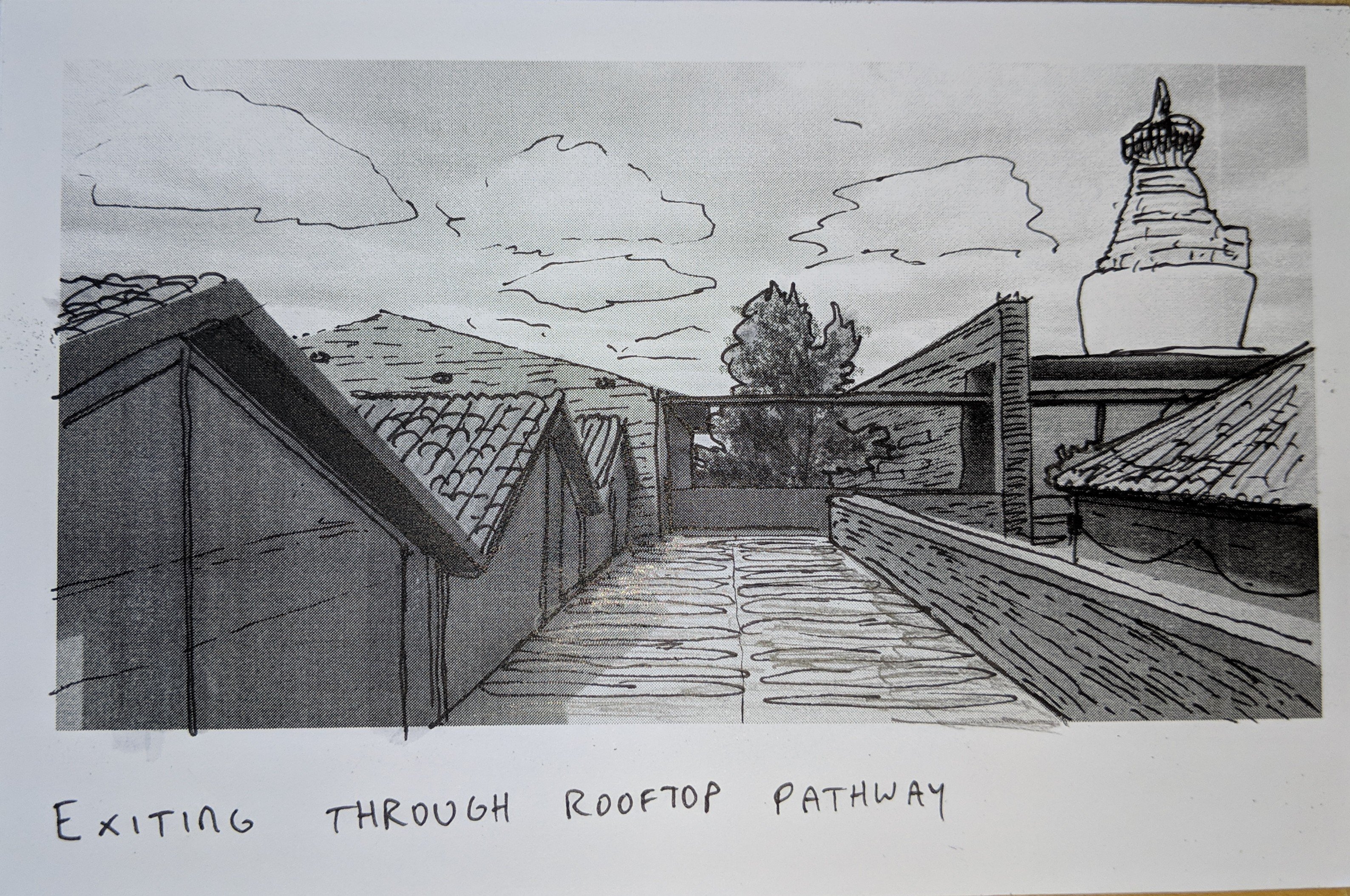
An architectural intervention to redesign an abandoned farmer's market in the historic heart of Beijing's Baitasi District, resurrecting collective spaces such as farmers' markets and cafes that had slowly disappeared from the community fabric. I developed this proposal through the UIUC Plym Studio, exploring lost cultural practices and spaces in the district from the turn of the century through to the late modern period. The studio was led in collaboration with Dong Gong of Vector Architects and Professor Botond Bognar. See an interview ↗ about this project with Mayur Mistry.
Related Projects
12 Miles a Year
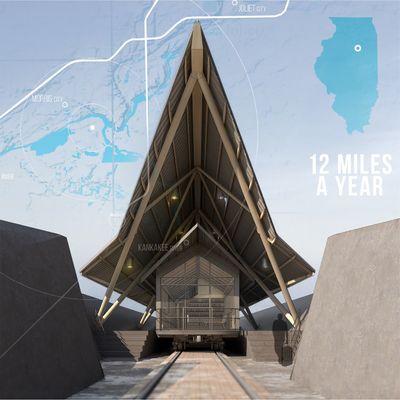
Archon Studio Prize (2nd Place), 2018An architectural proposal that reclaims industrial infrastructure for habitation, this was my winning entry for the Archon Studio of 2018. Developed with the supervision of Olsen-Kundig Studio and professor Carl Lewis, the project drew inspiration from the post-industrial landscapes of the Midwest, particularly those of early nuclear research and energy production. Dresden Generating Station—the first privately financed nuclear power plant in the U.S. and a keystone of postwar energy optimism—sits within a landscape where rail lines, river corridors, and prairie converge. This terrain carries the histories of industry, energy, and abandonment. By re-inhabiting its disused rail lines, the project reclaims infrastructure not for transit or commerce but for reflection and habitation, transforming industrial remnants into a framework for living. Rather than treating movement as speed or efficiency, the project reframes locomotion as a slow inhabitation of landscape. Its propulsion system borrows from the mechanics of a grandfather clock, scaled up into a pendulum, counterweights, and a 1.5-meter winding wheel. Each day, residents wind the mechanism to power the ultra-slow drive, where a heavy steel "foot" presses against the ground to move the house forward. Built on the reclaimed steel frame of boxcars, the house unfolds as a linear sequence—private quarters, dining, power, and communal spaces—that extend dwelling into a year-long passage across prairie, rivers, marshland, and ruins. In place of the forward thrust of rail or the concentrated energy of nuclear power, the project proposes a cyclical, patient mode of inhabiting the landscape. The house becomes a way to read its environment slowly, reframing abandoned infrastructure as a stage for observation and ritual.
The Austere
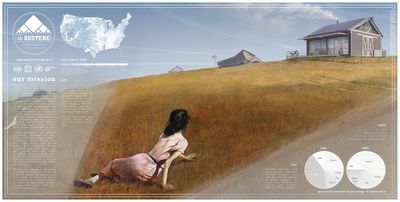
CRITICAL MASS Student Choice Award, 2018A speculative project that imagines a near-future of climate catastrophe where corporations provide prefabricated housing tied to labor contracts. Originally a design-build proposal for the U.S. Solar Decathlon, I reformulated the work to explore how speculative design could feel more imminent and unsettling. Instead of distant hyperbole, the project grounded its extreme scenario in plausible economic and social trends, positioning it between architectural proposal, narrative fiction, and propaganda artifact. Exhibited as a large-format presentation board and later as an augmented reality installation, the work won the Student Choice Award at Critical Mass in 2018.
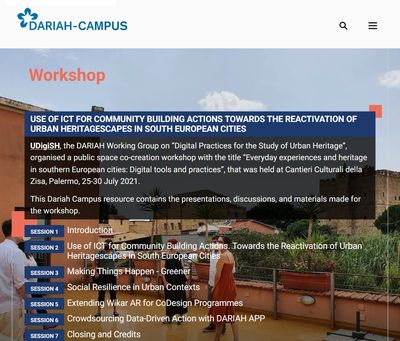
ICT For Urban Heritage: Palermo
A co-design workshop in Palermo to envision the future of an abandoned warehouse, serving as the first field test for my dissertation research on propositional modeling. I designed two competing architectural proposals (conservative and radical) and used my AR platform, Wikar, to allow local stakeholders to view them on-site. By testing the proposals at different scales (a 1:500 map vs. 1:1 walkthroughs), the process surfaced the community's deep attachment to the site's recent, unwritten history as a local park. This visualization work gave their tacit knowledge an empirical basis, and the feedback directly informed the final design, which preserved the area as a public plaza.
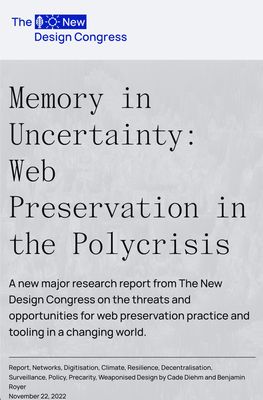
Memory In Uncertainty
A New Design Congress report exploring the techno-political implications of web archiving practices, focusing specifically on our contradictory impulses to both preserve web culture at scale, and also respect people's right to be forgotten. I contributed as a reviewer for the public release, which built out from several private reports produced by NDC. Also featured in the Neural Networks contributor archive.