
WIKAR v14
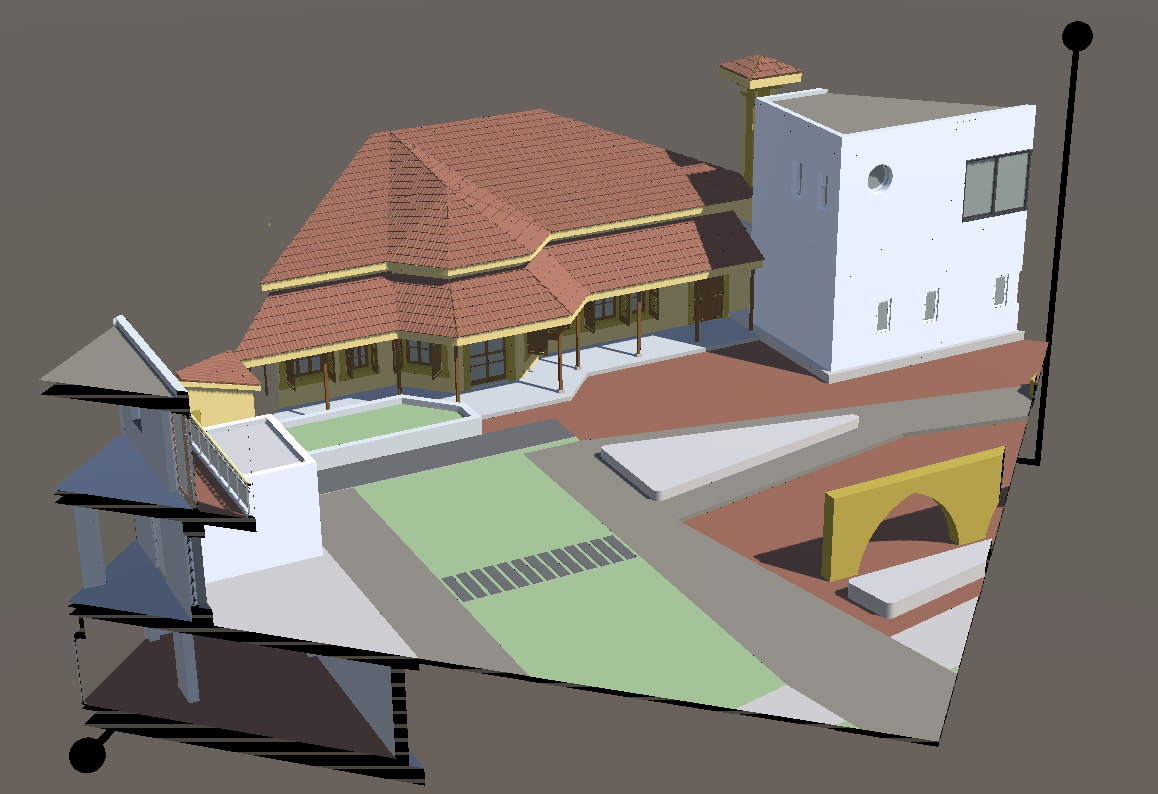
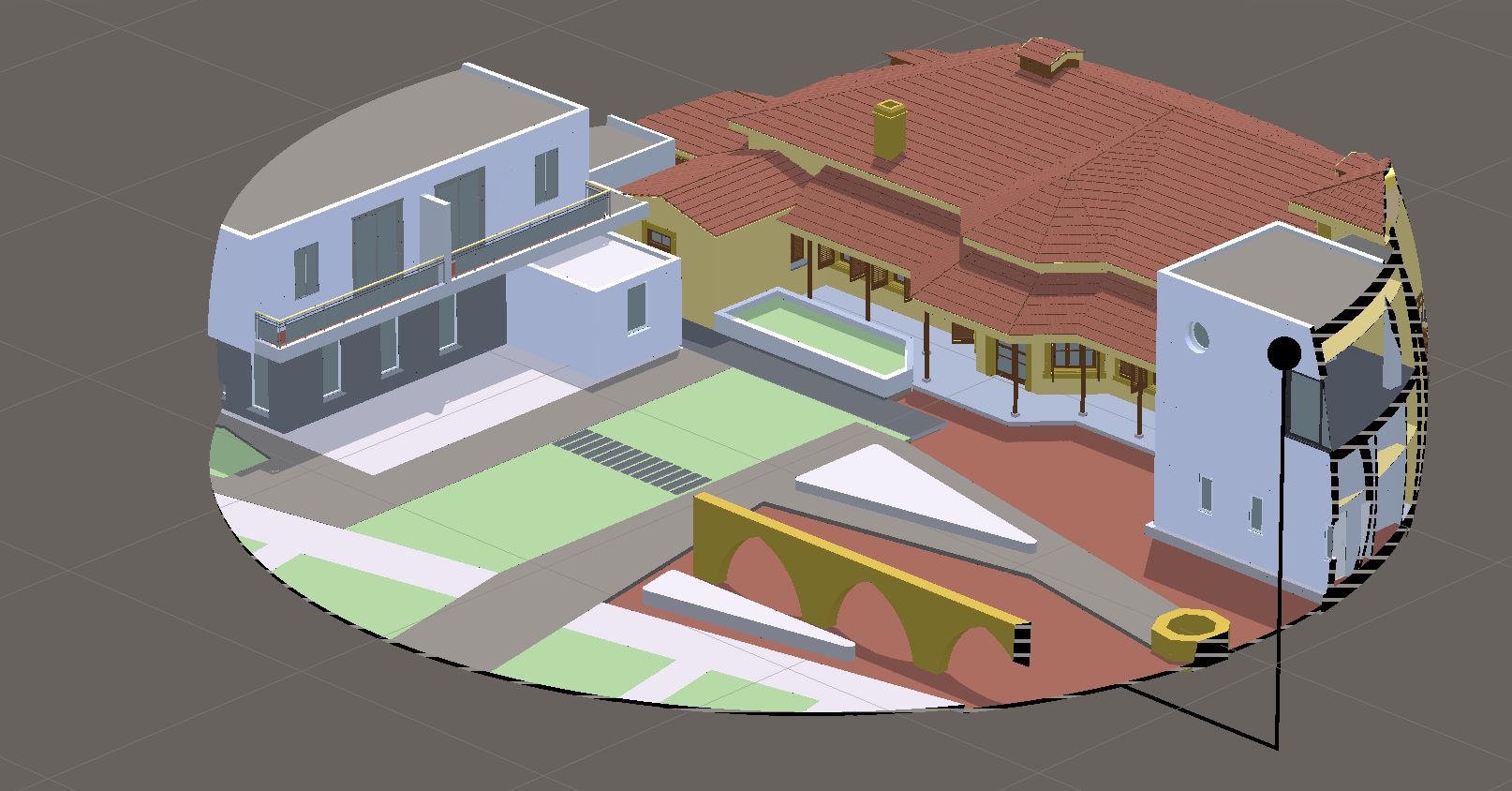
A major update to Wikar, my augmented reality platform for viewing 3D content in real-world spaces, for which I developed several key performance and feature improvements in preparation for new AR projects. These included: a multi-tiered caching system to enable offline mode for sculpture gardens; an iterative solver that uses a scan's confidence rating to progressively refine AR placement accuracy; and an optimized mesh slicer system for exploring 3D cross-sections of complex models.
Related Projects
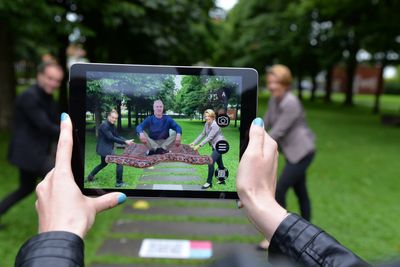
Erwin Wurm
An AR deployment of Erwin Wurm's sculptural works in new contexts using augmented reality. I worked with Studio Calas in an educational and technical capacity, training their team on how to prepare and optimize 3D models for the Wikar platform and its upload pipeline while they handled photogrammetry and content creation. At their request, I also made Wikar's QR code scanning more robust for outdoor environments and for use with different colored tags.
Wikar V1
The initial prototype for Wikar, an AR app I designed for viewing cloud-hosted media like artworks and design proposals. During an affiliation with the National Center for Supercomputing Applications' (NCSA) Advanced Visualization Laboratory, I developed this first version to use NCSA's Clowder data repository for storing and distributing Unity asset bundles. The system uses QR codes for URL lookup and precise positioning, enabling multi-user, location-integrated experiences. The project, which received financial support from eDream and the Fiddler Foundation, has since been used by international artists, researchers, architects, and students.
Eva Schlegel
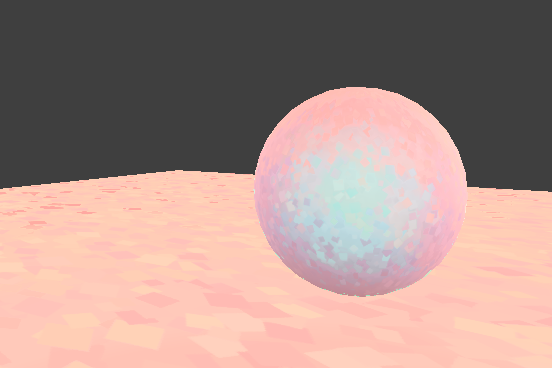
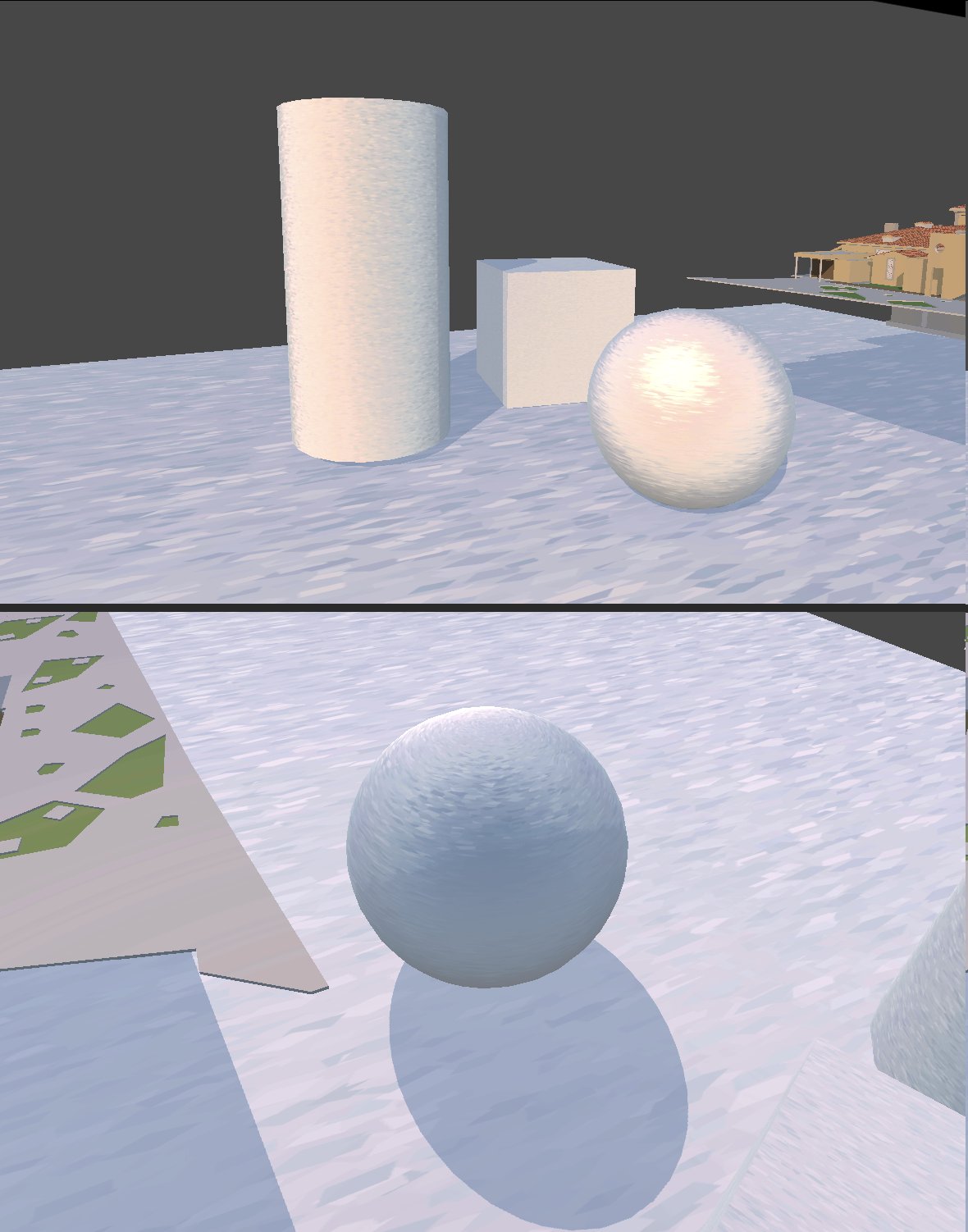
Public AR installations for artist Eva Schlegel's studio, featuring complex custom shaders developed by her team. My role was to provide the technical education and platform support to make this possible. I extended the Wikar platform with new capabilities specifically for this project, including support for stencil shaders, UI compositing, and safeguarding access to camera textures and other rendering features that Unity would typically strip from a build.
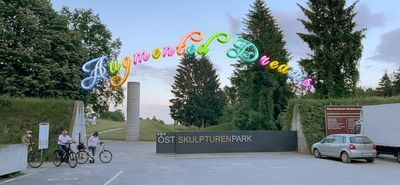
Augmented Dreams: AR Sculpture Park
An AR sculpture park for a public exhibition in Graz, Austria, layering digital works by MFA students onto an existing physical sculpture park. As the selected technical producer, I provided Wikar for its openness and spatial accuracy. The students created site-specific works, some of which extended existing physical sculptures in interesting ways. To meet the high demand for documentation from both students and visitors, I improved Wikar's performance and added new photo and video recording capabilities to the app.