MetaFraming: A Methodology for Democratizing Heritage Interpretation through Wiki Surveys
A participatory methodology for heritage study using AI-assisted wiki surveys, a technology from the computational social sciences that allows the survey itself to evolve as people interact with it. I developed MetaFraming using three distinct GPT-3.5 pipelines: one generates hundreds of 'seed' propositions from background research (controlled for tone and topic), another interprets user-submitted comments by providing contextual history of their interactions, and a third automatically codes comments for sentiment and topics to speed qualitative analysis and aid abuse detection. The methodology was developed through a case study on Le Corbusier's Unité d'habitation and published as a conference paper. Read the full paper here ↗.
Related Projects
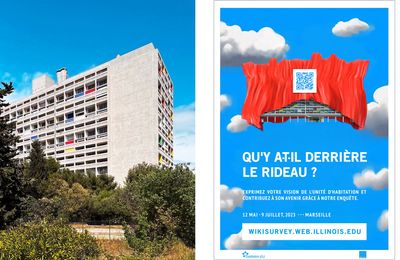
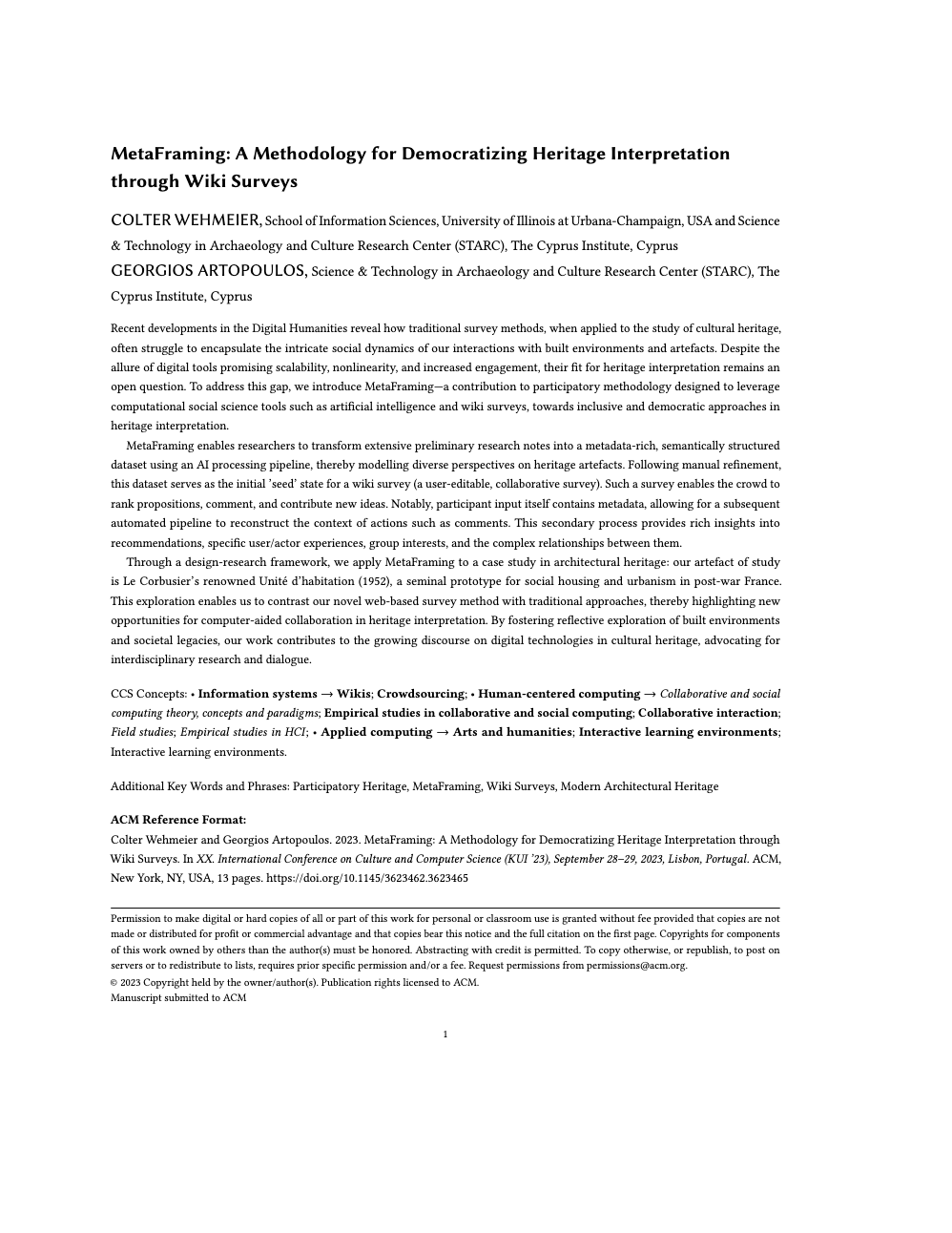
Unité d'Habitation Wikisurvey
A wiki survey tool—a survey format where participants both vote on and submit new options, so the survey evolves as people interact with it. This implementation draws on two prior systems (All Our Ideas and POLIS) and adds AI-assisted seed generation and automated qualitative coding. I developed this web application as part of the MetaFraming research.
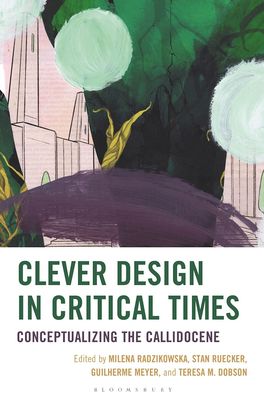
Are Surveys Necessary? Designing Virtual Environments for Participatory Research
A prototype Virtual Environment (VE) designed as an immersive online 'guest book' where hundreds of users could asynchronously decorate a shared virtual space and leave messages for one another. I developed this VE for a workshop on the intangible cultural heritage of Córdoba's communal patios, introducing key design strategies for asynchronous interaction ('claims' and 'traces') and a novel workflow using Large Language Models (LLMs) to automate qualitative coding and moderation of text contributions. Published as a book chapter in the 2025 Bloomsbury Academic volume, Clever Design in Critical Times: Conceptualizing the Callidocene, arguing that interactive VEs can serve as effective tools for participatory research beyond traditional surveys in the Digital Humanities. The book is available from Bloomsbury Academic.
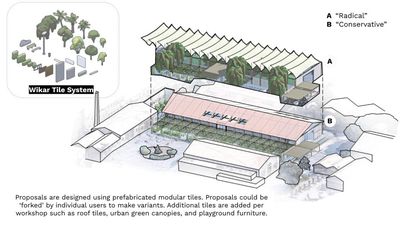
"Scan To Ar": Palermo
A co-design workshop using rapid 3D site capture and an AR design tool with a library of design primitives (akin to Lego bricks). The goal was to repurpose abandoned industrial heritage in Palermo. I collaborated with Federico La Russa to facilitate the workshop, using Wikar (my augmented reality platform) to swiftly mock up and review architectural proposals with stakeholders over a single weekend. The co-design process helped the local campus community collect a public voice for preserving the open space, and the site opened as a public space in October 2022. Conference presentation and publication documented the methodology.
Generative Ambiguity in Heritage Visualisation
A conference presentation arguing that moving beyond photorealism to embrace representational abstraction and ambiguity can create more participatory works in digital cultural heritage. I presented this research, a core component of my dual PhD dissertation work, at the DARIAH Annual Event 2025 in Goettingen, Germany as part of the Digital Storytelling session. The full presentation materials, including slides and abstract, are archived on Zenodo.